Overview:
Aluminum boxes are widely used in industrial applications where lightweight protection, corrosion resistance, and customized structural designs are required. From automation equipment and electrical systems to transportation and energy solutions, aluminum boxes provide reliable protection for sensitive components while improving overall equipment performance.
For OEM manufacturers, engineers, and procurement teams, selecting the right aluminum enclosure is not only about choosing a protective cover. It also involves considering material performance, structural strength, heat dissipation, environmental resistance, and manufacturing capability.
Compared with traditional steel solutions, aluminum boxes offer significant advantages, including reduced weight, excellent corrosion resistance, and better thermal conductivity. These characteristics make them an ideal choice for industrial equipment that requires durability, reliability, and long-term operational stability.
With professional aluminum fabrication and welding technology, manufacturers can produce customized solutions such as electrical protection boxes, motor housings, automation equipment enclosures, and other specialized structures.
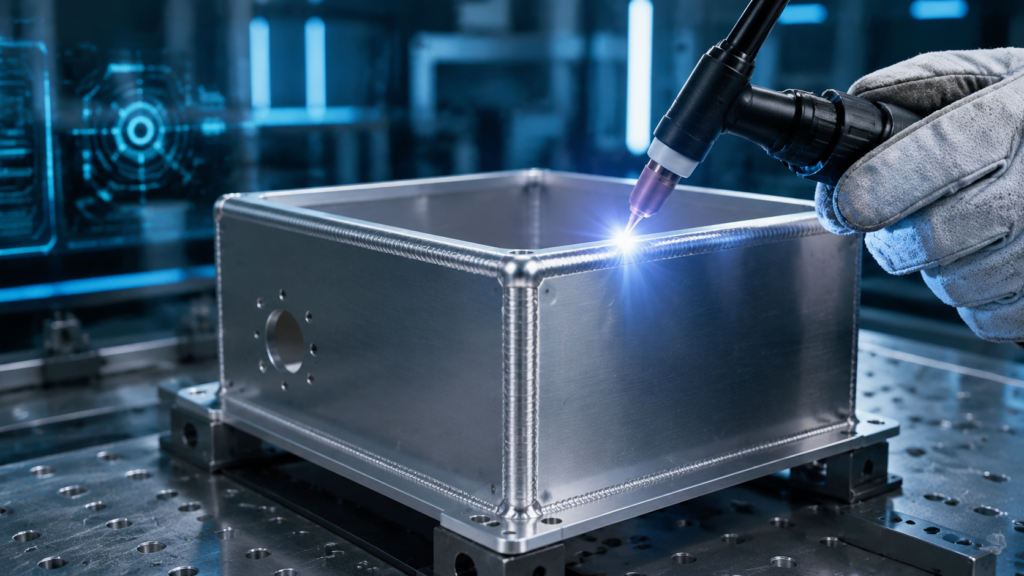
What Are Aluminum Boxes?
Aluminum boxes are protective structures manufactured from aluminum sheets, plates, or extruded profiles. They are designed to protect internal components from external environments while providing mechanical support and functional integration.
Depending on application requirements, aluminum boxes can be designed as:
- Protective covers for industrial machinery
- Electrical control enclosures
- Equipment housings
- Battery protection boxes
- Custom fabricated structures
The main advantage of aluminum is its excellent balance between strength, weight, and corrosion resistance.
Compared with traditional steel structures, aluminum boxes provide several benefits:
Lightweight Structure
Aluminum has a lower density than steel, which allows manufacturers to reduce equipment weight while maintaining sufficient mechanical strength.
This advantage is particularly valuable for:
- Mobile industrial equipment
- Transportation systems
- Robotics applications
- Portable devices
Reducing weight can improve installation efficiency, transportation convenience, and overall equipment performance.
Corrosion Resistance
Aluminum naturally forms a protective oxide layer that helps prevent corrosion. This makes aluminum boxes suitable for environments where moisture, chemicals, or outdoor exposure are common.
Typical applications include:
- Outdoor control systems
- Marine equipment
- Renewable energy devices
- Industrial facilities
Heat Dissipation Performance
Modern industrial equipment often contains electronic components and power systems that generate heat during operation.
Because aluminum has excellent thermal conductivity, aluminum boxes can help transfer heat away from internal components and improve equipment reliability.
This feature makes them suitable for:
- Electronic control units
- Motor systems
- Battery modules
- Power management equipment
What Are Aluminum Boxes Used For in Industrial Applications?
Aluminum boxes are used across many industries because they provide reliable protection, flexible design options, and excellent performance in demanding environments.
Aluminum Boxes for Automation Equipment
Automation equipment requires reliable protection for electrical components, sensors, controllers, and mechanical systems.
In industrial automation, aluminum boxes are commonly used for:
- Control system protection
- Machine component covers
- Robotic equipment housings
- Sensor protection structures
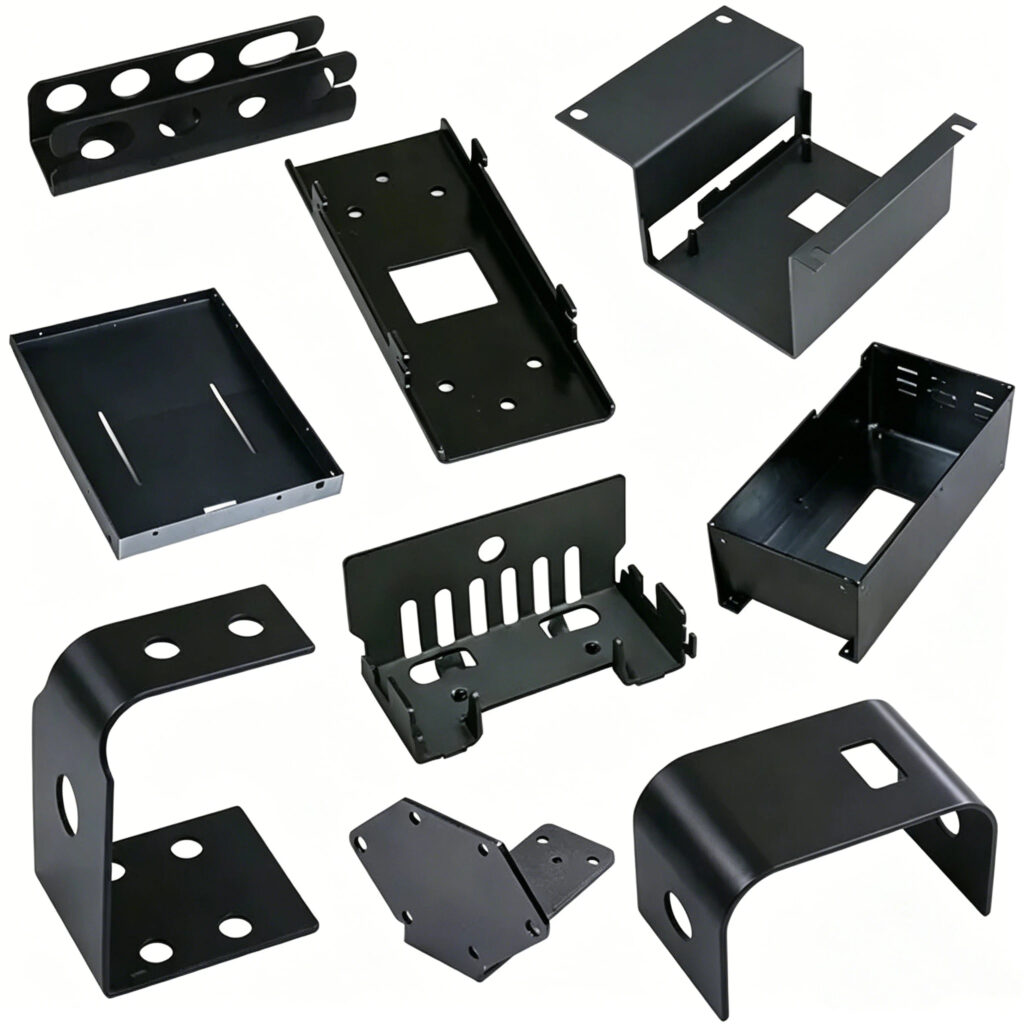
For automation manufacturers, custom aluminum enclosures provide greater design flexibility compared with standard products.
Engineers can customize:
- Mounting holes
- Cable openings
- Internal brackets
- Cooling structures
- Overall dimensions
This allows equipment manufacturers to integrate protective structures directly into their machine designs.
For OEM companies producing automated systems, customized aluminum solutions can improve assembly efficiency, reduce installation problems, and provide better protection for expensive internal components.
Aluminum Boxes for Electrical and Electronic Systems
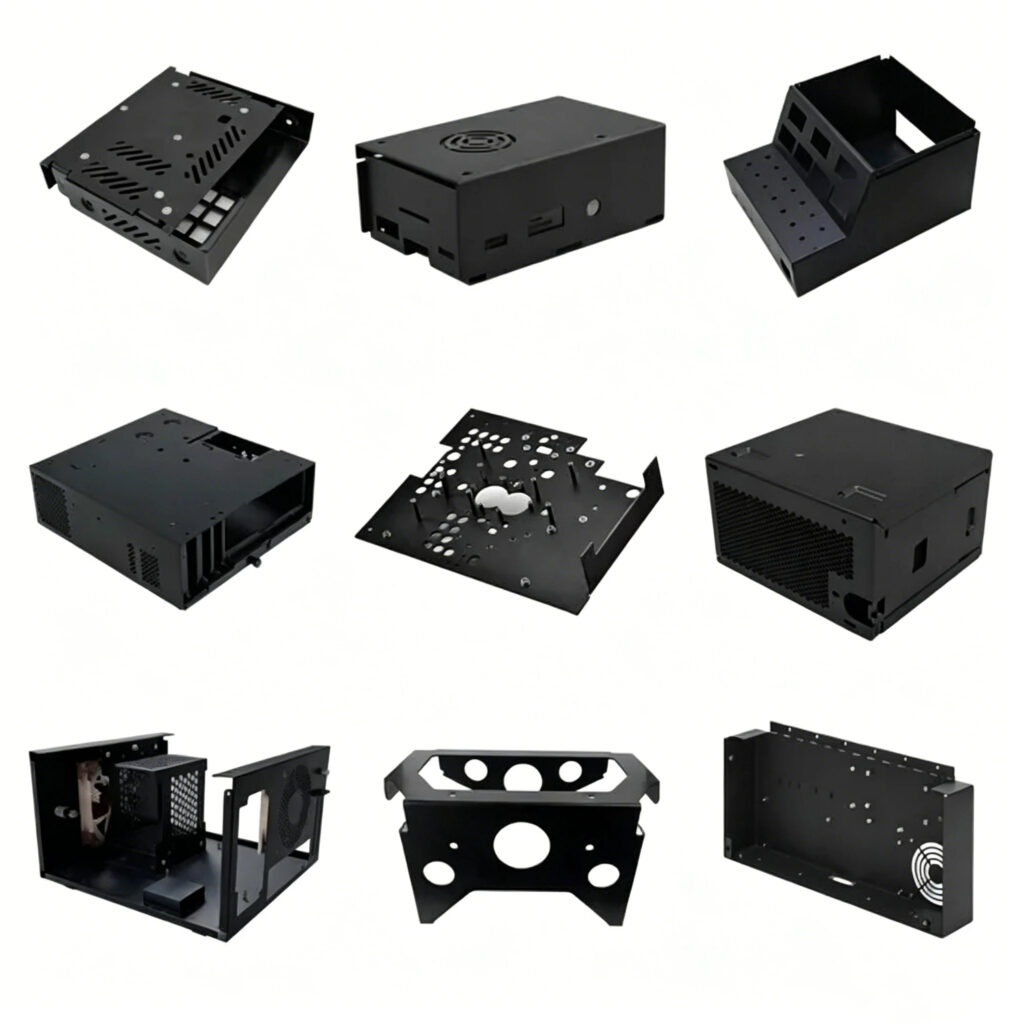
Electrical systems require protection from dust, moisture, vibration, and temperature fluctuations. Therefore, aluminum boxes are widely used in electrical and electronic industries.
aluminum electrical enclosures are commonly applied in:
- Industrial control panels
- Power distribution equipment
- Communication systems
- Outdoor electrical installations
- Automation control units
Compared with steel electrical cabinets, aluminum solutions offer several advantages:
Improved Corrosion Resistance
Aluminum is naturally resistant to rust, making it suitable for outdoor and humid environments.
Better Heat Management
Electrical components often generate continuous heat during operation. Aluminum helps improve heat dissipation and reduces the risk of overheating.
Easier Installation
The lightweight characteristics of aluminum simplify transportation, installation, and maintenance.
For electrical equipment manufacturers, selecting a supplier with professional aluminum welding capabilities ensures that enclosure strength, sealing performance, and dimensional accuracy meet industrial requirements.
Aluminum Boxes for Motor and Mechanical Equipment
Motors and mechanical systems often operate under continuous loads, requiring strong and reliable protective structures.
Aluminum Motor Housing is commonly used in:
- Industrial motors
- Electric drive systems
- Robotics equipment
- Pumps
- Automation machinery
The main advantages of Aluminum Motor Housing include:
- Excellent thermal conductivity
- Lightweight construction
- Mechanical durability
- Corrosion resistance
A properly manufactured motor housing requires accurate machining, stable welding processes, and precise quality control.
For motor manufacturers, aluminum housing solutions can help improve heat management and extend operating reliability.
Aluminum Utility Box Applications
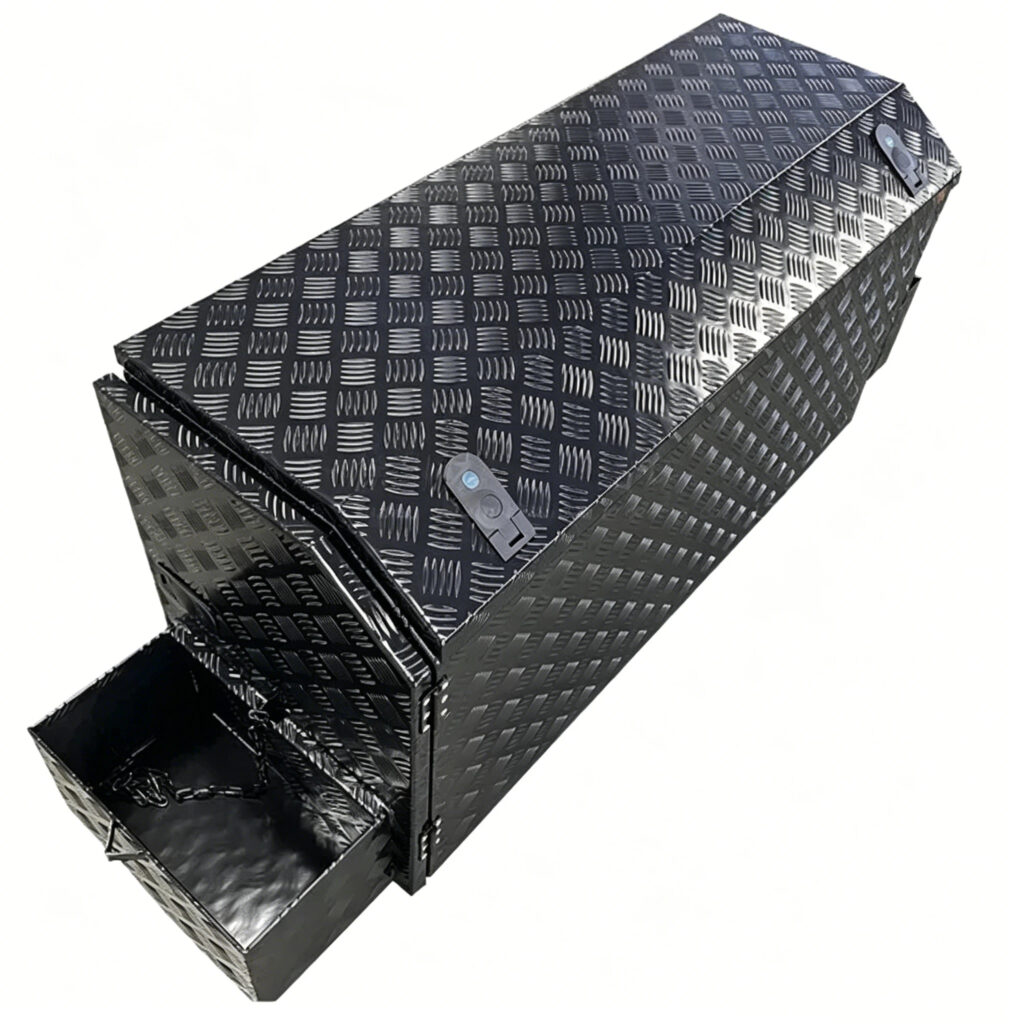
A Aluminum Utility Box is another common application of aluminum fabrication. These boxes are designed for protecting tools, electrical components, instruments, and industrial accessories.
Typical applications include:
- Outdoor equipment storage
- Maintenance systems
- Utility vehicles
- Industrial transportation equipment
- Field service applications
The advantages of an Aluminum Utility Box include:
- Lightweight design for easy handling
- Strong protection against environmental conditions
- Long service life
- Easy customization
For industries requiring portable and durable protection solutions, aluminum utility boxes provide a practical alternative to heavier steel products.
Why Do Industries Choose Aluminum Boxes?
Industrial customers choose aluminum boxes because they solve several common challenges related to weight, durability, and equipment protection.
Lightweight but Strong Performance
One of the biggest advantages of aluminum is achieving structural strength without unnecessary weight.
For equipment manufacturers, lighter enclosure designs can provide:
- Easier transportation
- Faster installation
- Reduced supporting structure requirements
- Improved product competitiveness
Excellent Protection in Harsh Environments
Industrial equipment often operates in challenging conditions, including:
- Humidity
- Temperature changes
- Dust exposure
- Outdoor environments
Aluminum boxes provide reliable protection while maintaining long-term durability.
Flexible Customization Options
Different industries have different requirements. Standard enclosures may not always fit specialized equipment designs.
With professional fabrication capabilities, manufacturers can create:
- Custom dimensions
- Complex shapes
- Integrated mounting features
- Special surface finishes
This is why custom aluminum enclosures are widely selected by OEM manufacturers and engineering companies.
How Are Aluminum Boxes Manufactured?
Producing high-quality aluminum boxes requires a combination of engineering design, fabrication experience, and professional welding technology.
Aluminum Material Selection
Different aluminum alloys provide different performance characteristics.
Common materials include:
5052 Aluminum
Suitable for applications requiring:
- Excellent corrosion resistance
- Good forming performance
- Outdoor durability
6061 Aluminum
Commonly used for:
- Structural components
- Machine frames
- Heavy-duty applications
6063 Aluminum
Often selected for:
- Extruded profiles
- Lightweight structures
- Decorative applications
Material selection depends on strength requirements, environment, and final application.
Aluminum Cutting and Forming
The manufacturing process usually includes:
- CNC cutting
- Sheet metal forming
- Bending
- Drilling
- Machining
Accurate preparation ensures proper assembly and reduces dimensional issues during welding.
Aluminum Welding Process
Aluminum welding is a critical process for producing durable aluminum boxes.
Common welding methods include:
TIG Welding Aluminum
TIG welding is preferred for applications requiring:
- High-quality weld appearance
- Precise control
- Thin aluminum components
MIG Welding Aluminum
MIG welding is commonly used for:
- Larger structures
- Higher production efficiency
- Industrial applications
Professional aluminum welding requires experienced technicians because aluminum has unique characteristics, including:
- High thermal conductivity
- Oxide layer formation
- Sensitivity to contamination
- Risk of deformation
Proper welding control ensures:
- Strong joints
- Better sealing performance
- Consistent appearance
- Long-term reliability
Design Considerations When Choosing Aluminum Boxes
For procurement managers and engineers, selecting the right aluminum box supplier requires evaluating several important factors.
Application Environment
Before purchasing aluminum boxes, consider:
- Indoor or outdoor installation
- Temperature conditions
- Moisture exposure
- Mechanical vibration
- Chemical environment
The design should match the actual operating conditions.
Structural Requirements
The enclosure design should consider:
- Internal component weight
- Mounting requirements
- Impact resistance
- Assembly method
A professional supplier can provide engineering recommendations to optimize the design.
Customization Capability
Many industrial applications require solutions beyond standard products.
A supplier experienced in custom aluminum enclosures should be able to support:
- Prototype development
- Small batch production
- Design modifications
- Complex welding structures
This is especially important for OEM manufacturers developing specialized equipment.
Manufacturing Quality Control
Reliable aluminum box production requires strict inspection procedures.
Common quality checks include:
- Dimensional inspection
- Welding appearance inspection
- Surface quality inspection
- Assembly verification
Consistent quality control helps ensure stable product performance and reduces problems during equipment operation.
Applications of Aluminum Boxes Across Industries
Because of their lightweight, durable, and customizable characteristics, aluminum boxes are used in many industrial sectors.
Industrial Automation
Applications include:
- Machine protection covers
- Control system enclosures
- Robotic equipment housings
Electrical Manufacturing
Applications include:
- Control cabinets
- Electrical protection systems
- Communication equipment
Automotive and Transportation
Applications include:
- Vehicle components
- Battery protection systems
- Lightweight structural parts
Renewable Energy
Applications include:
- Solar equipment
- Energy storage systems
- Outdoor electrical protection
Machinery Manufacturing
Applications include:
- Motor protection
- Industrial equipment housings
- Customized machine components
How to Choose the Right Aluminum Box Manufacturer?
Choosing a reliable supplier is important because aluminum box quality directly affects equipment performance and customer satisfaction.
A professional aluminum fabrication partner should have:
- Experienced aluminum welding engineers
- Advanced fabrication equipment
- Strong quality control systems
- Engineering support capability
- Experience with customized projects
For OEM manufacturers and industrial buyers, the ideal supplier is not only a manufacturer but also a technical partner who can help optimize designs and improve product reliability.
Conclusion
Aluminum boxes have become an important solution for industrial applications requiring lightweight structures, corrosion resistance, and customized designs.
From automation equipment and electrical systems to motors, transportation, and renewable energy applications, aluminum boxes provide reliable protection and long-term performance.
However, achieving high-quality results depends on professional material selection, precise fabrication, and experienced aluminum welding technology.
By working with an experienced aluminum fabrication supplier, companies can develop reliable solutions such as Aluminum Utility Box, aluminum electrical enclosures, Aluminum Motor Housing, and custom aluminum enclosures that meet modern industrial requirements.