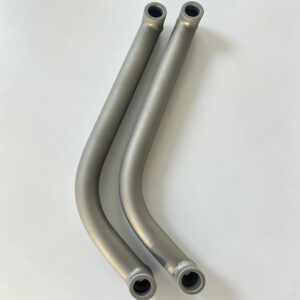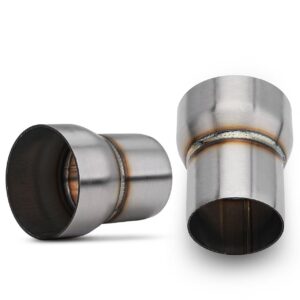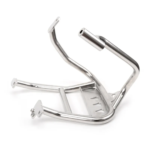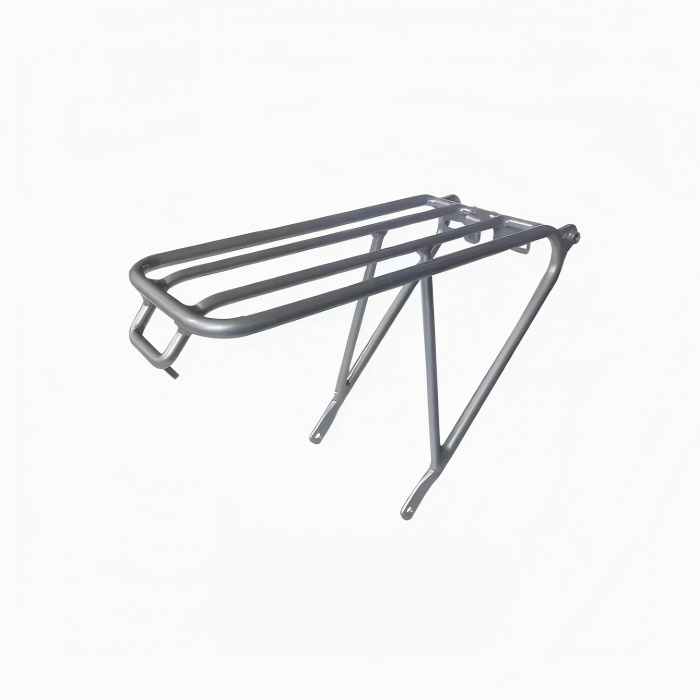

Suporte de Bicicleta Traseiro de Titânio de Alta Qualidade Construção em Titânio Soldado TIG
Este Suporte Traseiro de Bicicleta de Titânio é fabricado sob medida com tecnologia de soldagem TIG de precisão para bicicletas de alto desempenho e ciclismo ao ar livre.
Request a Quote
Enter the quantity you need and add to your quote list for pricing inquiries.
Product Details
Why Traditional Rear Bike Racks Fall Short?
Titanium Bike Rack Rear oferece uma solução superior em comparação com os tradicionais suportes traseiros de alumínio e aço. A maioria dos suportes de bicicleta convencionais é limitada por fraquezas dos materiais. Os suportes de alumínio são leves, mas podem sofrer de fissuras por fadiga, especialmente nas juntas soldadas após anos transportando cargas pesadas em estradas irregulares. Os suportes de aço oferecem excelente resistência, mas adicionam peso significativo, muitas vezes aumentando a carga da bicicleta em três a cinco libras e afetando a eficiência de subida e o desempenho de manuseio.
Ao contrário das alternativas de alumínio e aço, o suporte de bicicleta de titânio combina alta resistência, desempenho leve e durabilidade excepcional. O titânio oferece uma relação resistência-peso semelhante ao aço, permanecendo muito mais leve, e oferece resistência à corrosão excepcional sem a necessidade de tinta ou revestimentos protetores. Mesmo em ambientes adversos, como áreas costeiras ou condições de passeio de longa distância, um suporte traseiro de titânio mantém sua integridade estrutural e aparência por anos.
The Titanium Advantage for Rear Bike Racks:
Titanium offers four distinct advantages for rear rack applications.
.
First, weight.
. A titanium rear rack typically weighs 40 to 60 percent less than a steel rack of equal strength. For a touring or commuting cyclist, saving two to three pounds at the rear of the bike improves acceleration and handling.
.
Second, strength.
. Titanium has an exceptional strength-to-weight ratio. A properly designed titanium rack can carry loads exceeding 50 pounds without permanent deflection. The material also has excellent fatigue resistance, meaning it will not crack after thousands of miles of vibration.
.
Third, corrosion resistance.
. Titanium forms a stable oxide layer that protects against all forms of corrosion. A titanium rack will never rust, even after years of exposure to rain, road salt, or coastal air. No paint, powder coating, or anodizing is required.
.
Fourth, durability.
. A titanium rack, when welded correctly, will outlast the bicycle. Many cyclists consider titanium racks to be lifetime purchases.
.

Design Features of a Quality Titanium Bike Rack Rear:
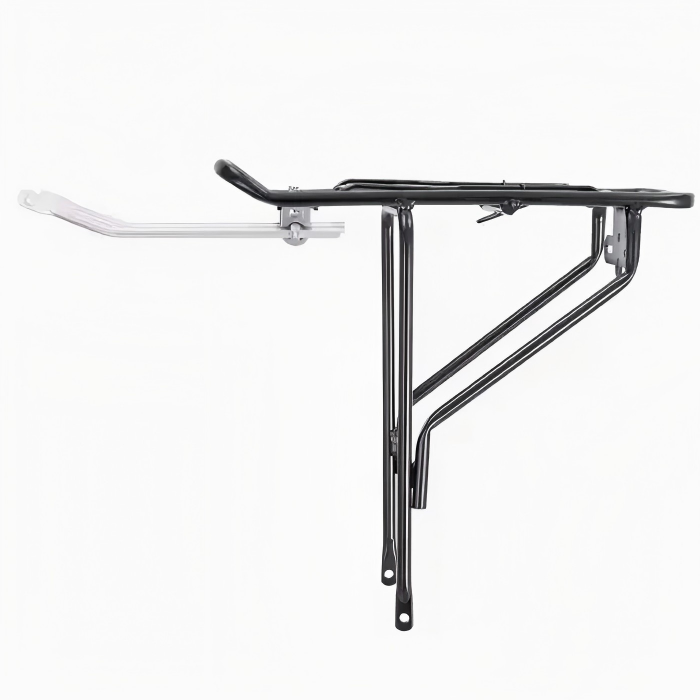
A well-designed titanium bike rack rear includes several important features. The platform should be wide enough to accept standard panniers and trunk bags. Typical width ranges from 120mm to 160mm. The length should accommodate various trunk bag sizes while clearing the rear wheel.
.
Mounting points are critical. A titanium bike rack rear must attach securely to the bicycle frame. Common mounting locations include seat stay braze-ons, seatpost clamps, and dropout eyelets. The rack should include multiple mounting options to fit different frame geometries.
.
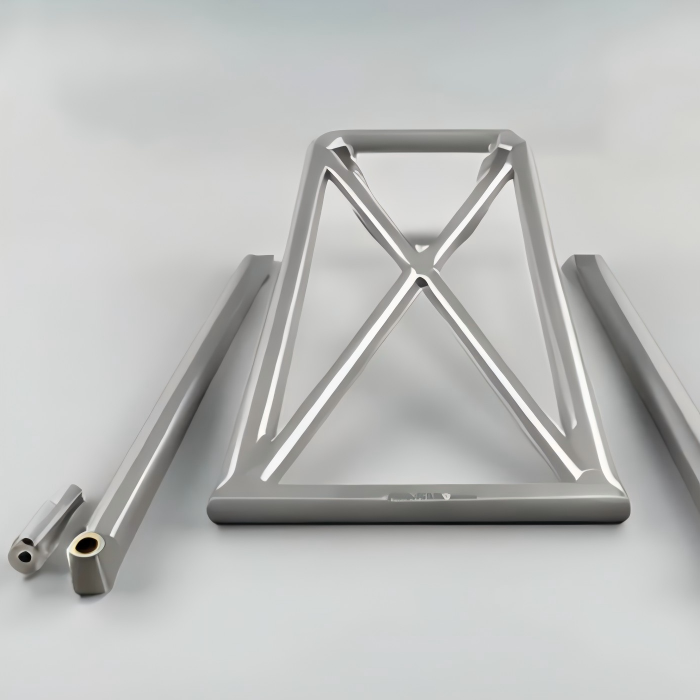
The struts or support arms transfer load from the platform to the frame. For a titanium bike rack rear, these struts should be made from the same titanium alloy as the main structure. Strut diameter typically ranges from 8mm to 12mm depending on load rating.
.
Welded joints are the most vulnerable points on any rack. On a titanium bike rack rear, every weld must be fully penetrated and properly shielded to prevent oxidation. Poor welds will fail under load.
.
Challenges of Welding a Titanium Bike Rack Rear:
Titanium presents serious fabrication challenges. Titanium is highly reactive when exposed to oxygen, nitrogen, and hydrogen at elevated temperatures. During welding of a titanium bike rack rear, the weld zone must be completely shielded from atmospheric contamination. If shielding fails, the titanium absorbs these elements, resulting in embrittlement and cracking.
.
Rear racks involve thin-walled tubing, typically 0.8mm to 1.5mm thick. Thin titanium requires precise heat control to avoid burn-through. Additionally, a titanium bike rack rear has multiple joints: platform to struts, struts to mounting tabs, and mounting tabs to the main structure. Each weld must be sound to withstand vibration and load cycling.
.
For these reasons, a titanium bike rack rear should only be fabricated by welders experienced with reactive metals. General welding shops rarely have the equipment or training for titanium.
.
Critical Steps for Welding a Titanium Bike Rack Rear:
Successful fabrication of a titanium bike rack rear begins long before the arc is struck:
Material selection: Grade 2 commercially pure titanium or Grade 9 (3Al-2.5V) titanium is commonly used for a titanium bike rack rear. Grade 2 offers excellent formability and weldability. Grade 9 provides higher strength while maintaining good ductility.
.
Tube preparation: Titanium tubes must be cut square, deburred, and cleaned inside and out. Use acetone or isopropyl alcohol followed by a dedicated stainless steel brush used only on titanium. Never use tools that have touched steel.
.
Fit-up: For a titanium bike rack rear, joint gaps should not exceed 0.5mm. Use fixtures to maintain alignment. Poor fit-up leads to burn-through or incomplete fusion.
.
Back-purging: For critical joints, the inside of tubes should be purged with pure argon at 99.999 percent purity. Without back-purging, the root side of the weld oxidizes, creating a brittle layer that cracks under load.
.
Torch setup: Gas tungsten arc welding (GTAW/TIG) is the only process recommended for a titanium bike rack rear. Use a 2 percent ceriated or lanthanated tungsten electrode. A gas lens improves coverage. Set post-flow to at least 15 seconds.
.
Common Defects in Titanium Bike Rack Rear Welding:
Even experienced welders may encounter defects when fabricating a titanium bike rack rear:
Oxidation and discoloration: Silver or light straw welds indicate proper shielding. Blue, purple, or grey means contamination requiring weld rejection. A titanium bike rack rear with oxidized welds will fail under load.
.
Burn-through: Excessive heat creates holes in thin tubing. Reduce amperage or increase travel speed. Burn-through typically means scrapping the part.
.
Incomplete penetration: The weld does not fully bond through the tube wall. This results in weak joints. Adjust parameters and refit the joint.
.
Cracking: Hydrogen embrittlement or rapid cooling causes cracks. Ensure thorough cleaning and adequate post-flow.
.
Aplicações e Demanda de Mercado:
A demanda por um suporte traseiro premium de titânio para bicicleta abrange vários mercados. Ciclistas de turismo precisam de suportes que carreguem cargas pesadas por milhares de quilômetros sem falhas. Comutadores querem suportes leves que não enferrujem com a exposição diária ao clima. Ciclistas de bikepacking e aventura exigem suportes que resistam a terrenos acidentados.
Proprietários de bicicletas elétricas também se beneficiam de um suporte traseiro de titânio para bicicleta. As e-bikes já são pesadas, então economizar peso no suporte ajuda. A resistência à corrosão também é valiosa para e-bikes usadas em condições úmidas.
Conclusão:
Um suporte traseiro de titânio para bicicleta representa a expressão máxima da utilidade ciclística. Quando soldado corretamente por profissionais experientes, ele oferece economia de peso incomparável, resistência permanente à corrosão e décadas de serviço confiável. Para ciclistas que exigem o melhor, o titânio é a escolha clara.
Perguntas Frequentes Sobre Suporte Traseiro de Titânio para Bicicleta:
P1: Vale a pena o custo extra de um suporte traseiro de titânio para bicicleta em comparação com alumínio ou aço?
R: Sim para ciclistas sérios. Um suporte traseiro de titânio para bicicleta dura a vida toda, nunca enferruja e pesa 40 a 60 por cento menos que o aço, sendo mais forte que o alumínio.
P2: Quanto peso um suporte traseiro de titânio para bicicleta pode carregar com segurança?
R: Um suporte traseiro de titânio para bicicleta devidamente soldado pode carregar com segurança de 50 a 70 libras, dependendo do design e da configuração de montagem.
P3: Um suporte traseiro de titânio para bicicleta serve em qualquer bicicleta?
R: A maioria das unidades de suporte traseiro de titânio para bicicleta é projetada para pontos de montagem padrão. A fabricação personalizada está disponível para quadros com geometria não padrão.
P4: Um suporte traseiro de titânio para bicicleta requer manutenção especial?
R: Nenhuma manutenção é necessária. O titânio nunca enferruja ou corrói, portanto, nunca é necessária pintura ou revestimento.
P5: Um suporte traseiro de titânio para bicicleta danificado pode ser reparado?
R: Sim, mas apenas por um soldador experiente com tubos de parede fina de titânio. Oficinas de soldagem gerais não podem realizar reparos em titânio.