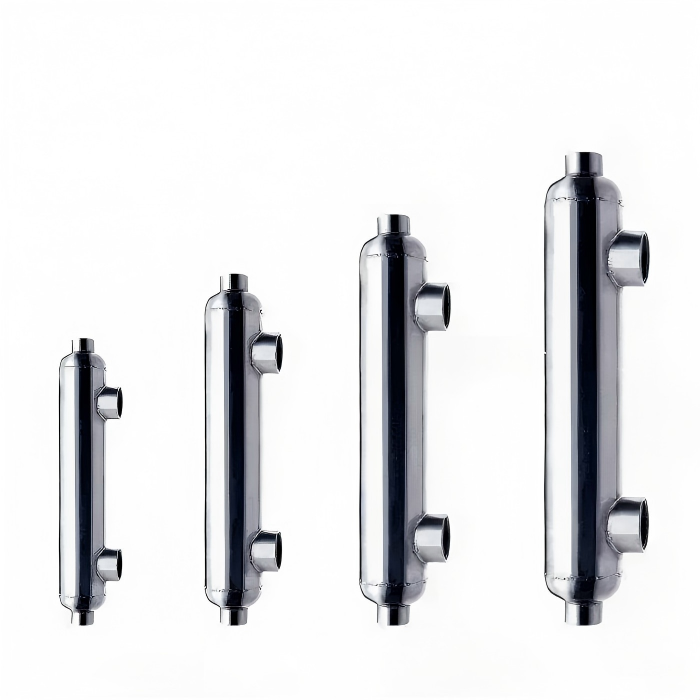
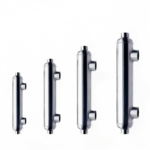
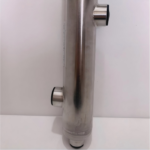
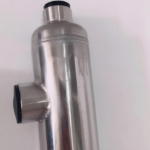
프리미엄 티타늄 열교환기 풀 용접 서비스 (3배 더 긴 수명)
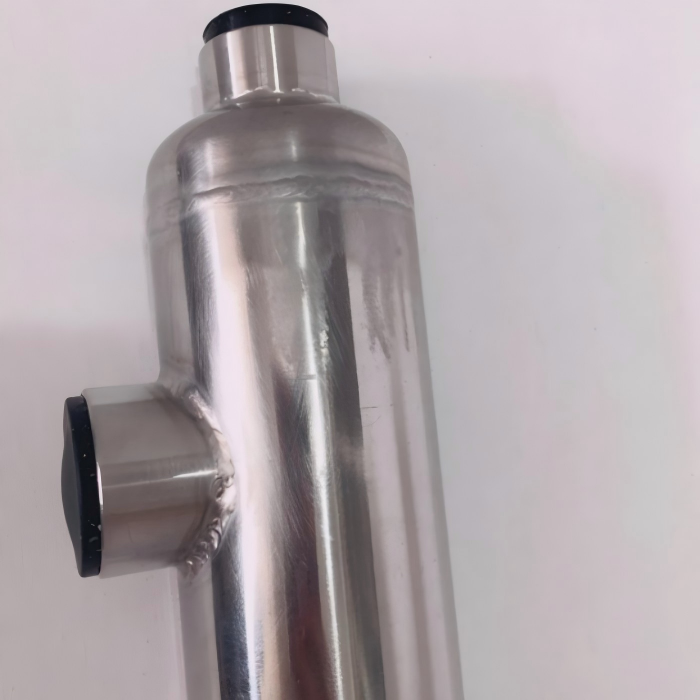
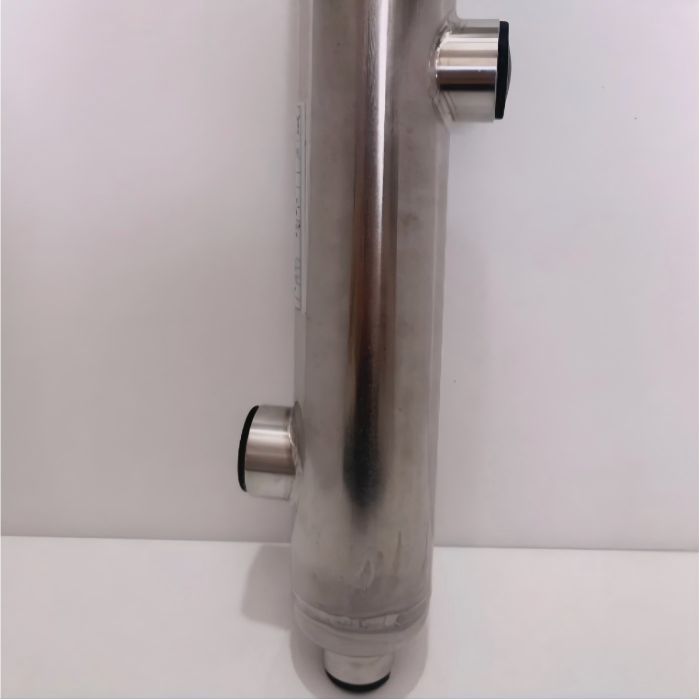
이 티타늄 열 교환기 풀은 수영장 난방 응용 분야를 위해 정밀 오비탈 TIG 용접 기술로 맞춤 제작됩니다. 티타늄 구조를 특징으로 하여 우수한 내식성, 효율적인 열 전달 및 오래 지속되는 내구성을 제공합니다.
Request a Quote
Enter the quantity you need and add to your quote list for pricing inquiries.
Product Details
Why Traditional Pool Heat Exchangers Fail?
Most pool heat exchangers are made from copper or cupronickel. These materials work reasonably well in balanced water chemistry, but they have significant vulnerabilities. Pool water contains chlorine, bromine, salts, and other sanitizing chemicals. Over time, these chemicals attack copper alloys, causing pinhole leaks and eventual failure. A failed heat exchanger in a pool heater often means replacing the entire unit.
Stainless steel offers better corrosion resistance than copper but still fails in high-chlorine or saltwater pools. Chloride-induced stress corrosion cracking destroys stainless steel heat exchangers within a few seasons, especially in heated water. This is where a titanium heat exchanger pool solution proves superior. Titanium is virtually immune to chlorine, bromine, salt, and most other chemicals found in pool water.
The Titanium Advantage for Pool Heat Exchangers:
Titanium offers four distinct advantages for pool heating applications. First, corrosion resistance. Titanium naturally forms a stable, protective oxide layer that reforms instantly if scratched. This layer resists attack from chlorides, acids, and sanitizing chemicals. A titanium heat exchanger pool component will not rust, pit, or crack from pool chemistry.
Second, heat transfer efficiency. Titanium has excellent thermal conductivity, though slightly lower than copper. However, because titanium can be manufactured in very thin walls, the overall heat transfer of a titanium heat exchanger pool unit can match or exceed copper designs. Thin walls reduce material weight and improve response time.
셋째, 내구성입니다. 티타늄 열교환기 풀 구성품은 희생 양극이 없고, 코팅이 벗겨지지 않으며, 부식 한계가 없습니다. 한 번 설치하면 재료 열화와 관련된 유지보수가 필요 없습니다. 풀 소유자는 20년 이상의 안정적인 서비스를 기대할 수 있습니다.
넷째, 무게입니다. 티타늄 밀도는 구리의 약 60%입니다. 티타늄 열교환기 풀 장치는 구리 제품보다 현저히 가벼워 설치와 서비스가 더 쉽습니다.
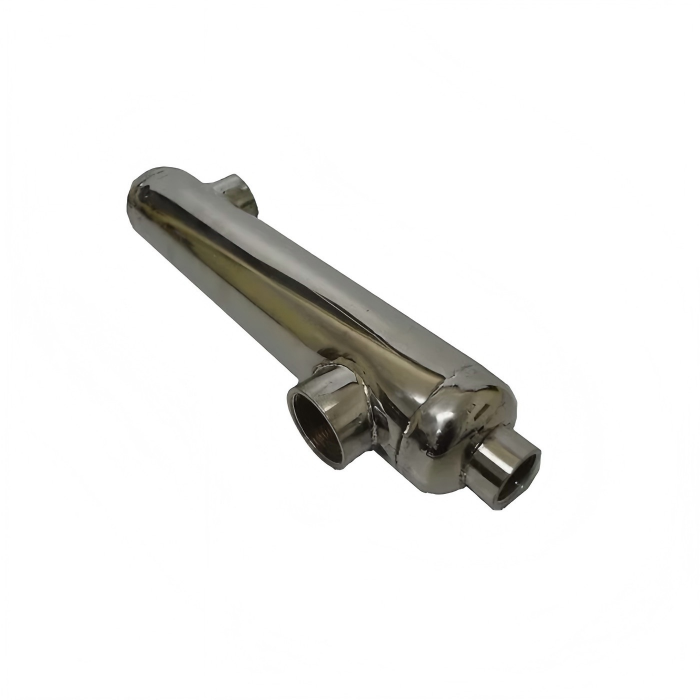
티타늄 열교환기 풀 시스템 작동 방식:
풀 열교환기는 두 유체를 혼합하지 않고 에너지원에서 풀 물로 열을 전달합니다. 가장 일반적인 구성은 관-쉘 설계입니다. 온수 또는 냉매가 튜브를 통해 흐르고 풀 물이 그 주위를 흐릅니다. 티타늄 열교환기 풀 장치는 티타늄 튜브와 때로는 티타늄 튜브 시트를 사용합니다.
수영장 응용 분야에서 열원은 보일러, 히트 펌프, 태양열 시스템 또는 지열 루프가 될 수 있습니다. 풀 물은 티타늄 열교환기 풀 장치의 쉘 측을 순환하며 튜브에서 열을 흡수합니다. 티타늄이 풀 화학 물질과 열 전달 유체 화학 물질 모두에 저항하기 때문에 시스템은 수십 년 동안 누출 없이 유지됩니다.
티타늄 열교환기 풀 구성 요소 용접의 과제:
장점에도 불구하고 티타늄은 특히 열교환기 응용 분야에서 심각한 제조 문제를 제기합니다. 티타늄은 고온에서 산소, 질소 및 수소에 노출될 때 매우 반응성이 높습니다. 티타늄 열교환기 풀 장치를 용접하는 동안 용접 영역은 대기 오염으로부터 완전히 차폐되어야 합니다. 차폐가 실패하면 티타늄이 이러한 원소를 흡수하여 취성 및 균열이 발생합니다.
Heat exchangers involve tube-to-tubesheet welds, which are among the most demanding joints in fabrication. For a titanium heat exchanger pool component, each tube must be welded to the tubesheet with full penetration and complete shielding of both the weld face and the root side. This requires precise fit-up, back-purging with pure argon, and skilled welder technique.
Tube-to-tubesheet welding for a titanium heat exchanger pool typically uses automated orbital GTAW (gas tungsten arc welding) to ensure consistency. Orbital welding maintains exact arc length, travel speed, and gas coverage across dozens or hundreds of tube joints.
Critical Steps for Welding a Titanium Heat Exchanger Pool:
Successful fabrication of a titanium heat exchanger pool unit begins long before the arc is struck:
Material selection: Grade 1 or Grade 2 commercially pure titanium is standard for pool heat exchangers. These grades offer excellent corrosion resistance and weldability. Grade 2 provides slightly higher strength while maintaining formability.
Tube preparation: Titanium tubes must be cut square, deburred, and cleaned inside and out. Use acetone or isopropyl alcohol followed by a dedicated stainless steel brush used only on titanium. Any contamination leads to weld defects.
Tubesheet preparation: The tubesheet holes must be precisely drilled and cleaned. For a titanium heat exchanger pool component, hole diameters typically allow a 0.1mm to 0.2mm clearance for the tube. Too tight and assembly is impossible. Too loose and weld quality suffers.
Fit-up: Tubes should extend 1mm to 2mm beyond the tubesheet face. This extension melts during welding to create a reinforcing fillet. All tubes in a titanium heat exchanger pool must extend uniformly.
Back-purging: The inside of each tube and the back side of the tubesheet must be filled with pure argon at 99.999 percent purity. Without back-purging, the root side oxidizes, creating a brittle layer that leaks over time.
용접 파라미터: 2% 세륨 텅스텐 전극을 사용한 오비탈 GTAW를 사용하십시오. 토치의 가스 유량은 시간당 15~25입방피트, 백퍼지(back-purge)는 시간당 10~15입방피트입니다. 아크 소멸 후 포스트 플로우는 최소 15초 이상 지속되어야 합니다.
티타늄 열교환기 풀 용접의 일반적인 결함:
숙련된 용접공이라도 티타늄 열교환기 풀 유닛을 제작할 때 결함이 발생할 수 있습니다.
산화 및 변색: 은색 또는 연한 밀짚색 용접부는 적절한 차폐를 나타냅니다. 파란색, 보라색 또는 회색은 오염을 의미하며 용접부 폐기가 필요합니다. 티타늄 열교환기 풀의 경우, 산화된 용접부는 사용 중 누출됩니다.
불완전 용입: 용접이 튜브 벽을 통해 튜브시트까지 완전히 접합되지 않습니다. 이로 인해 압력 하에서 파손되는 약한 이음매가 발생합니다. 파라미터를 조정하고 용접 절차를 재검증하십시오.
기공: 용접부 내의 가스 주머니가 누출을 허용합니다. 오염된 모재 또는 불충분한 가스 커버리지로 인해 발생합니다. 다공성 이음매는 폐기하고 재용접하십시오.
언더컷: 용접부에 인접한 튜브시트에 녹아 들어간 홈입니다. 응력 집중과 잠재적 누출 경로를 생성합니다. 전류를 줄이거나 기술을 조정하십시오.
응용 분야 및 시장 수요:
티타늄 열교환기 풀 솔루션에 대한 수요는 여러 시장에 걸쳐 있습니다. 장기적인 신뢰성을 추구하는 주거용 풀 소유자는 반복적인 열교환기 교체를 피하기 위해 티타늄을 선택합니다. 호텔, 피트니스 센터 및 공공 시설을 포함한 상업용 풀은 유지보수 비용 절감을 위해 티타늄을 지정합니다.
염수 풀은 특히 까다롭습니다. 티타늄 열교환기 풀 구성 요소는 염소 발생기 시스템에 필수적으로 요구되며, 구리 및 구리-니켈은 빠르게 고장납니다. 스파 및 온수 욕조 제조업체도 컴팩트한 크기와 내식성 때문에 티타늄 열교환기를 사용합니다.
결론:
티타늄 열교환기 풀 장치는 풀 가열을 위한 궁극적인 솔루션을 나타냅니다. 경험 많은 전문가가 올바르게 용접할 때, 비교할 수 없는 내식성, 효율적인 열 전달 및 수십 년 단위의 서비스 수명을 제공합니다. 신뢰성을 요구하는 풀 소유자 및 상업 운영자에게 티타늄은 명확한 선택입니다.
티타늄 열교환기 풀에 대한 자주 묻는 질문:
Q1: 풀 열교환기에 티타늄이 구리보다 나은 이유는 무엇입니까?
A: 티타늄은 염소, 브롬 또는 염수로 인해 절대 부식되지 않습니다. 구리 열교환기는 일반적으로 3~5년 내에 고장나지만, 티타늄 열교환기 풀 장치는 20년 이상 지속됩니다.
Q2: 티타늄 열교환기 풀 장치를 염수 풀에서 사용할 수 있습니까?
A: 예, 티타늄은 염수 풀에 이상적인 선택입니다. 빠르게 고장나는 구리 또는 스테인리스 강과 달리 염화물 부식에 100% 면역입니다.
Q3: 티타늄 열교환기 풀 구성 요소는 얼마나 오래 지속됩니까?
A: 적절하게 용접된 티타늄 열교환기 풀 장치는 20~30년 지속되며, 종종 풀 자체보다 오래갑니다. 부식 방지를 위한 유지보수가 필요하지 않습니다.
Q4: 티타늄 열교환기 풀이 구리보다 더 비쌉니까?
A: 예, 초기 비용은 더 높지만 장기적인 가치는 더 좋습니다. 하나의 티타늄 장치 수명 동안 구리 열교환기를 여러 번 교체해야 합니다.
Q5: 손상된 티타늄 열교환기 풀 장치를 수리할 수 있습니까?
A: 예, 하지만 티타늄 튜브-튜브시트 용접 경험이 있는 용접공만 가능합니다. 일반 용접 업체는 티타늄 열교환기 수리를 수행할 수 없습니다.